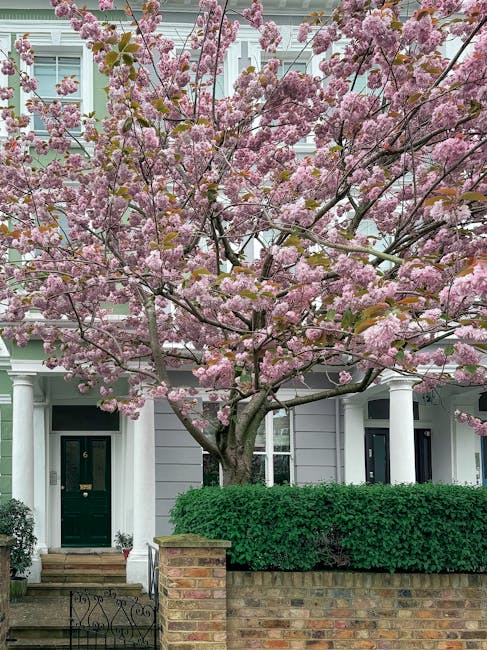
Woodside Park gardeners guide to NW11 small front gardens
If you have a small front garden in Woodside Park, you already know the challenge: it has to look welcoming, stay tidy, handle London weather, and still feel like it belongs to the house. Not much room, plenty of expectations. This Woodside Park gardeners guide to NW11 small front gardens is designed for exactly that kind of space. Whether your frontage is a narrow strip, a compact path-and-border layout, or a tiny paved area that needs softening, the goal is the same: make it work hard without feeling busy or fussy.
Front gardens in NW11 often do several jobs at once. They shape first impressions, affect privacy, help with drainage, and either improve or blunt the curb appeal of the whole property. To be fair, that is a lot to ask from a few square metres of soil, paving, and a hedge. The good news? Small front gardens are often easier to transform than people think, especially when the layout, planting, and maintenance plan are chosen with restraint.
In this guide, you will find practical ideas, simple design decisions, maintenance tips, and a few trade-offs to think about before you start digging. If you want broader support beyond the front boundary, local help such as professional gardening services in Woodside Park or a wider landscaping approach for NW11 homes can make the whole job feel much more manageable.
Why Woodside Park gardeners guide to NW11 small front gardens Matters
Small front gardens in Woodside Park are often the first thing people notice about a home, but they are also the easiest area to let slide. A few weeds, a tired hedge, muddy edges after rain, and suddenly the whole property feels less cared for. That is partly visual, but it is also practical. A well-kept front garden can guide visitors to the door, soften hard architecture, and create a sense of order before anyone even steps inside.
In NW11, front gardens often face a mix of shade from mature trees, pollution from road traffic, compacted soil, and limited depth. Some plots are dominated by paths and hard paving. Others are tiny, but exposed to wind and road dust. That combination means a one-size-fits-all planting plan rarely works. The garden has to be designed for the conditions, not just for a Pinterest board. That sounds obvious, but people forget it all the time.
It also matters because front gardens can be surprisingly expensive to get wrong. Choose the wrong shrub and it will outgrow the space. Lay too much gravel and the area can look sparse, hot, and awkward. Plant trees too close to walls or pavements and you may create future issues with roots, light, or maintenance access. In a small garden, every decision shows.
There is another reason this topic matters: a front garden is usually maintained more often than a rear garden. It needs a lighter, sharper finish. That is where regular care, not just one-off redesign, makes the difference. Services like ongoing garden maintenance and precise hedge trimming can keep the frontage clean, balanced, and calm-looking through the year.
Expert summary: the best small front gardens in Woodside Park do not try to do everything. They do a few things well: clear access, controlled planting, tidy edges, and a layout that looks good even on a rushed Tuesday morning.
How Woodside Park gardeners guide to NW11 small front gardens Works
The basic idea is simple: work from structure to detail. In a small front garden, the order matters more than the plant list. First, define where people walk, where cars may stop, where bins or bikes might need space, and what should remain visible from the street. Then choose planting and materials that support that layout rather than fight it.
Most good front garden plans in NW11 follow a similar logic:
- Set the bones first - paths, edging, fencing, walls, steps, and access points.
- Choose one or two focal points - often a specimen shrub, a container grouping, or a neatly clipped hedge.
- Layer planting by height - low at the front, medium in the middle, taller only where it will not block light or sightlines.
- Reduce maintenance pressure - use plants that match the site rather than demanding constant rescue.
- Keep every feature intentional - if it does not help the garden look better or work better, leave it out.
In practice, the design process often starts with a hard look at what already exists. Is the soil shallow and dry? Is there heavy shade from a mature tree? Is the space narrow enough that a deep shrub border would feel cramped? Is the frontage mostly paved and just crying out for softness? Those questions decide the direction very quickly.
For example, a shaded north-facing entrance might work beautifully with evergreen structure, containers, and some carefully chosen groundcover. A sunnier plot can handle more flowering interest, but even then, small front gardens need restraint. You can get away with one bold move, not six. Maybe that is the rule, actually.
It is also worth thinking about the garden as seen from inside the house. Many people only design for the street view, but the view through the hallway window matters too. A well-positioned planter, a clipped shape, or a clean path edge can make the home feel brighter every day. And really, that is the whole point.
Key Benefits and Practical Advantages
A thoughtful front garden in NW11 is not just about appearance, though appearance is a big part of it. The real value comes from how the space feels and functions.
- Better first impression: A tidy, balanced front garden makes even a modest house feel more cared for.
- Less visual clutter: Small spaces can look crowded fast; a simple design prevents that.
- Improved movement: Clear paths and edges make entrances easier to use in wet weather.
- Lower maintenance: The right planting reduces pruning, watering, and weeding.
- Stronger privacy: Low screens, hedging, or layered planting can soften views without boxing the garden in.
- Seasonal interest: A compact space can still look good in winter if it has structure and evergreen presence.
There is also a financial angle, although it should not be overstated. A neat front garden generally helps a home feel more finished and more desirable. Not by magic, and not in any guaranteed way, but by making the property feel looked after. Buyers and visitors notice that. So do neighbours, if we are being honest.
For households with children or pets, a front garden can also be made safer and more predictable. Fewer trip hazards, better separation from the road, and planting that does not cause constant mess. If you need ideas for more family-oriented layouts, the principles in child-friendly garden planning can be adapted neatly to smaller front spaces too.
Who This Is For and When It Makes Sense
This guide is useful if you are any of the following:
- a homeowner in Woodside Park or NW11 with a compact front plot
- a landlord trying to keep a frontage tidy without constant intervention
- someone preparing a property for sale or rental photos
- an older homeowner who wants a lower-maintenance entrance
- a busy family who needs the front to stay neat with minimal effort
- a garden enthusiast who wants to improve kerb appeal without overbuilding the space
It also makes sense if the current garden feels awkward rather than broken. Maybe the layout is fine, but the planting is too tall. Maybe the garden is functional, but the edges are frayed and the surface looks tired. Sometimes the biggest improvement comes from subtracting, not adding. That is a hard lesson for many keen gardeners, myself included on more than one slightly over-ambitious weekend.
If the front area includes mature shrubs, trees, or hedges that are shading windows or pushing into boundaries, you may want specialist support from tree surgery in Woodside Park or hedge trimming services before redesigning the rest. It is much easier to design around a healthy framework than to work around overgrown plants afterwards.
Step-by-Step Guidance
Here is a practical way to tackle a small front garden without getting lost halfway through.
1. Start with a measured look at the space
Walk the front garden slowly. Look at it from the street, the pavement, the path, and the front door. Notice where your eye stops. Is there a dead spot? Is the entrance hidden? Are there awkward corners where weeds collect? A simple sketch, even a rough one on paper, is often enough to reveal what the space really needs.
2. Protect the access route
Keep the path clear and obvious. In compact gardens, circulation is precious. If people have to squeeze around pots or step into borders to reach the door, the design has failed, however pretty the planting might be. Use edging to define where walking should happen.
3. Decide what should be seen first
Every front garden needs one focal point, maybe two. That could be a clipped evergreen, a pair of smart containers, a low bench, or a feature tree kept in scale. If everything shouts, nothing speaks. A little restraint goes a long way.
4. Choose plants for the site, not the idea
Pick plants that fit the light, soil, wind exposure, and level of care you can realistically offer. For shady fronts, browse ideas from evergreen climbers for shade. For low-spread cover, consider the thinking in ground cover varieties suited to UK gardens. In small front gardens, ground-level softness can be more useful than tall planting because it keeps the area open and neat.
5. Add structure before decoration
Structure means hedging, fencing, edging, steps, containers, and perhaps a small seating point if the space allows. Decoration comes after that. In reality, good structure is often what makes a front garden feel finished, even in winter.
6. Plan for easy upkeep
Think about how the garden will look in six weeks, not just on day one. Choose surfaces that are easy to sweep, shrubs that hold shape, and plants that do not collapse across paths. If the space includes paving, regular patio cleaning or surface cleaning can make a huge difference to the overall feel. A clean surface makes the planting look better. Funny how that works.
7. Finish with a maintenance rhythm
A small front garden stays good because someone keeps nudging it back into shape. Light weekly checks, seasonal pruning, and a proper spring and autumn tidy are usually enough. If that sounds like a lot, it is less about labour and more about rhythm.
Expert Tips for Better Results
Small front gardens reward judgement. Not extravagance. Here are the details that usually make the biggest difference.
- Use repetition carefully: repeating one or two plants is more elegant than squeezing in lots of varieties.
- Keep the tallest planting away from windows: light matters, especially in compact London frontage gardens.
- Choose containers with purpose: a container grouping can be a neat answer where borders are too shallow. The guide to container gardening is a useful starting point.
- Use evergreen structure: something should still look steady in January.
- Soften hard lines with low planting: a little texture around a path edge or wall base goes a long way.
- Keep hedges clipped before they become a job: small trims are easier than dramatic recoveries.
- Match the maintenance level to real life: if you are away often, a low-maintenance scheme will save you from constant disappointment. Not glamorous, but true.
One thing experienced gardeners often do in tight front spaces is layer texture rather than height. For example, a clipped evergreen base, a mid-height shrub, and a trailing or groundcover layer can create richness without bulk. It reads as designed, not crowded. If the front gets wind or sits on an exposed corner, it is worth reading about wind-resilient garden design before committing to anything delicate.
And if you want a front garden that leans towards calm rather than showy, the ideas in zen-inspired garden ideas can be adapted in a very subtle way. Not full-on gravel meditation retreat, just a quieter, more ordered feel. Which, in NW11, can be refreshing.
Common Mistakes to Avoid
Small front gardens are forgiving in some ways, but not in others. A few common mistakes keep showing up.
- Overplanting: too many species makes the space feel cramped and restless.
- Ignoring scale: a large shrub in a tiny frontage can dominate the house.
- Using too much hard landscaping: a fully paved front may be practical, but it can feel stark unless softened carefully.
- Forgetting year-round structure: a garden that only looks good in summer is a bit of a missed opportunity.
- Choosing high-maintenance plants by accident: some plants look lovely in a nursery and then turn into weekly chores.
- Blocking visibility: tall planting near the pavement or entrance can make a frontage feel closed in.
- Leaving old weeds and self-seeded growth in place: these quickly make a tidy design look unfinished.
Another subtle mistake is treating the front garden as a separate world from the rest of the property. It is connected to the house, the boundary, the entrance, and often the street. If the fence is tired, the hedge is ragged, or the lawn is patchy, the whole setting feels less polished. For that reason, the supporting elements matter too, not just the flowers.
Sometimes the issue is not design at all. It is tired infrastructure. In those cases, services like fencing work in Woodside Park or targeted lawn care may be the better first step before any planting refresh.
Tools, Resources and Recommendations
You do not need a shed full of specialist equipment to improve a small front garden. In truth, the essentials are fairly modest.
| Tool or resource | Why it helps | Best use in a small front garden |
|---|---|---|
| Hand secateurs | Useful for deadheading and light pruning | Keeping shrubs neat without damaging shape |
| Spade or border fork | Helps with soil prep and lifting old plants | Reworking tight beds and compacted soil |
| Edging tool | Creates crisp borders | Making a small plot look instantly sharper |
| Containers | Flexible and easy to reposition | Entrance styling and seasonal planting |
| Mulch or compost | Improves moisture retention and finish | Helping beds stay healthier and tidier |
For inspiration, a few practical reads are worth keeping in mind. If you are trying to fill awkward shady areas, explore the site's guidance on shade-tolerant climbers. If weeds are the main frustration, the article on beating weeds in a tidy garden is a sensible companion piece. For gardeners trying to improve soil before replanting, building richer soil from organic waste offers a practical mindset.
If you want the work handled properly rather than piecemeal, a service conversation through the Woodside Park contact page is the natural next step. Simple enough.
Law, Compliance, Standards, or Best Practice
For most small front gardens, the key compliance concerns are straightforward, but they should not be ignored. Boundaries, access, overhanging growth, and visibility near roads all matter. If your garden includes trees near structures, paths, or neighbouring property, professional judgement is sensible before making major cuts or removals. That is especially true where mature trees are part of the street character in NW11.
Good practice also means respecting neighbours, shared boundaries, and the practical realities of drainage and access. If you are replacing planting with hard surfaces, think carefully about water run-off and whether the area will remain safe in wet weather. It is best to avoid making assumptions here. If in doubt, speak with a local professional who can assess the site properly.
For hedges and boundary planting, regular shaping is usually preferable to severe reduction, because it keeps the structure healthy and easier to manage. That is one reason why steady hedge trimming is often the smarter long-term option. Similarly, if you are dealing with a lawn in a narrow front space, routine lawn mowing and care are usually better than letting the grass drift into a rough, patchy state and then trying to rescue it later.
One more practical note: keep entrances clear, surfaces even, and steps easy to read. It is not just about appearance. It is about safe, comfortable daily use. The front garden should help the house work better, not create a small obstacle course before breakfast.
Options, Methods, or Comparison Table
When improving a small front garden, you usually end up choosing between a few broad approaches. Each has a different feel and different upkeep demands.
| Approach | Best for | Strengths | Trade-offs |
|---|---|---|---|
| Mostly planted border | Homes that want a softer, greener look | Seasonal interest, texture, privacy | Needs more weeding and pruning |
| Balanced hard and soft landscaping | Very small or busy entrances | Easy access, cleaner lines, less clutter | Can feel cold if not softened well |
| Container-led design | Shallow spaces or paved forecourts | Flexible, easy to refresh, good for renters | Requires watering and occasional repotting |
| Low hedging and structure planting | Front gardens needing form and order | Neat appearance, strong shape in winter | Needs trimming to keep the lines clean |
There is no universal winner. A narrow property with little soil might do best with containers and a clean path. A slightly larger frontage may benefit from a small hedge, a layered border, and one feature plant. The decision often comes down to three things: how much sunlight you get, how much time you want to spend maintaining it, and how formal you want the entrance to feel.
For homeowners who want a more complete transformation, a blend of decking services and gentle planting may work in some front settings, though in many cases decking is better suited to rear spaces. The point is to choose materials because they fit the job, not because they look impressive in isolation.
Case Study or Real-World Example
Imagine a typical NW11 frontage: a narrow front garden, a short path to the door, a tired hedge on one side, patchy grass in the middle, and a couple of neglected pots by the wall. Not dramatic. Just a bit weary. The kind of place that gets passed every day without anyone really seeing it.
A sensible refresh would probably start with a clear-out. Remove weak or overcrowded planting. Cut back the hedge to a cleaner line. Re-edge the border so the path reads clearly. Then, instead of filling every open inch, add a small number of purposeful plants: perhaps one evergreen focal point, a low groundcover for the front edge, and two matching containers near the entrance.
That sort of redesign does not try to impress with complexity. It aims for consistency. In the morning, the garden looks calm. In the rain, it still looks tidy. In winter, it still has form. And after a month or two, maintenance becomes easier because there is less clutter to manage. A local homeowner could pair that with regular visits from a trusted team offering routine maintenance and, if needed, targeted lawn care support to keep the whole frontage in balance.
The nicest part? Once the structure is right, even simple plants feel more special. A plain evergreen can look elegant when it has room to breathe. A humble grass edge can look smart when it is cut properly. Small things, but they add up fast.
Practical Checklist
Use this checklist before you start or before you hand the job over.
- Measure the frontage and note where light falls during the day
- Check which plants are overgrown, failing, or blocking the entrance
- Decide whether the priority is privacy, curb appeal, or low maintenance
- Keep at least one clear, comfortable path to the front door
- Choose a small number of plants that suit the site conditions
- Include evergreen structure for year-round shape
- Trim hedges and shrubs before they become too large for the space
- Use containers only where they improve balance, not clutter
- Check surfaces for moss, weeds, loose edges, or trip risks
- Plan a maintenance routine that actually fits your week
- Think about the view from the road and from inside the house
- Ask for help if mature trees, boundary work, or deeper landscaping is involved
Quick takeaway: if a small front garden feels awkward, the fix is usually not more stuff. It is better structure, better scale, and less chaos.
Get a free quote today and see how much you can save.
Conclusion
A compact front garden in Woodside Park can do far more than people expect. It can soften the house, make the entrance easier to use, improve privacy, and create a calm little buffer between home and street. But small gardens need discipline. The best results come from choosing a clear structure, using plants with purpose, and resisting the temptation to cram in too much.
If you remember only one thing from this guide, make it this: design for how the garden lives, not just how it photographs. That means thinking about shade, wind, access, upkeep, and what the space looks like in January as well as June. Once those basics are right, the rest becomes much easier.
And if your frontage already has good bones, that is a lovely position to be in. A few careful changes can go a long way. Really, they can.
There is something quietly satisfying about a small front garden that just works. It greets you kindly. It does its job. And on a grey NW11 morning, that feels better than it sounds.
Frequently Asked Questions
What makes a small front garden work well in Woodside Park?
A good small front garden has a clear path, a simple layout, plants that suit the light and soil, and enough structure to look tidy through the year. In a compact NW11 space, restraint usually works better than packing in lots of different features.
Which plants are best for a narrow front garden?
The best plants are usually compact, easy to shape, and suited to the level of shade or sun the garden gets. Evergreen structure, low ground cover, and a few seasonal highlights often work well. The exact mix depends on conditions, so it is better to match the site than follow a trend.
How do I make a small front garden look bigger?
Keep the layout simple, avoid visual clutter, use repeated planting, and make sure paths are clean and obvious. Low planting at the front and a restrained colour palette can make the space feel wider. A tidy edge helps more than people think.
Is paving a good idea for a small front garden?
Paving can be practical, especially where access or parking matters, but too much hard surface can feel stark. Many front gardens benefit from a balance of paving and planting. If you do pave, soften the look with containers, edging, or compact shrubs.
How often should a front garden be maintained?
That depends on the planting, but small front gardens usually benefit from light weekly checks, seasonal pruning, and a proper tidy-up a few times a year. If hedges, lawns, or paving are involved, regular maintenance keeps everything from sliding into that slightly neglected look.
What is the easiest low-maintenance front garden style?
A low-maintenance style often includes evergreen structure, containers, good edging, and plants that do not need constant deadheading or dividing. It should look good even when you have not had time for a perfect weekend tidy. Which, let's face it, happens.
Do I need professional help for a small front garden?
Not always, but professional help makes sense if the frontage has overgrown hedges, mature trees, tired surfaces, uneven layout, or you want the space redesigned rather than just cleaned up. A good local gardener can save a lot of trial and error.
Can hedge trimming really change the look of a front garden?
Absolutely. A hedge that is well shaped and kept at the right height can make a frontage feel sharper, lighter, and more spacious. Overgrown hedging can do the opposite very quickly.
What should I do if my front garden gets very little sun?
Focus on shade-tolerant planting, evergreen structure, and light-reflecting surfaces. Small spaces in shade can still feel elegant, especially if you avoid dense, fussy planting and keep the design crisp.
Can a small front garden still have seasonal interest all year?
Yes. Use a mix of evergreen plants, textured foliage, and a few seasonal containers or flowering accents. The key is not to rely entirely on summer colour. Winter structure matters just as much in a front garden.
What is the biggest mistake people make with tiny front gardens?
The biggest mistake is usually overfilling the space. Too many plants, too many materials, or too many decorative ideas can make a small garden feel cramped and restless. Simpler almost always ages better.
Where should I start if my front garden needs a full reset?
Start by clearing the space, checking the access route, and deciding what should stay. Then tackle structure first: paths, hedges, fencing, and soil condition. After that, choose planting that fits the light and the level of upkeep you can realistically manage.