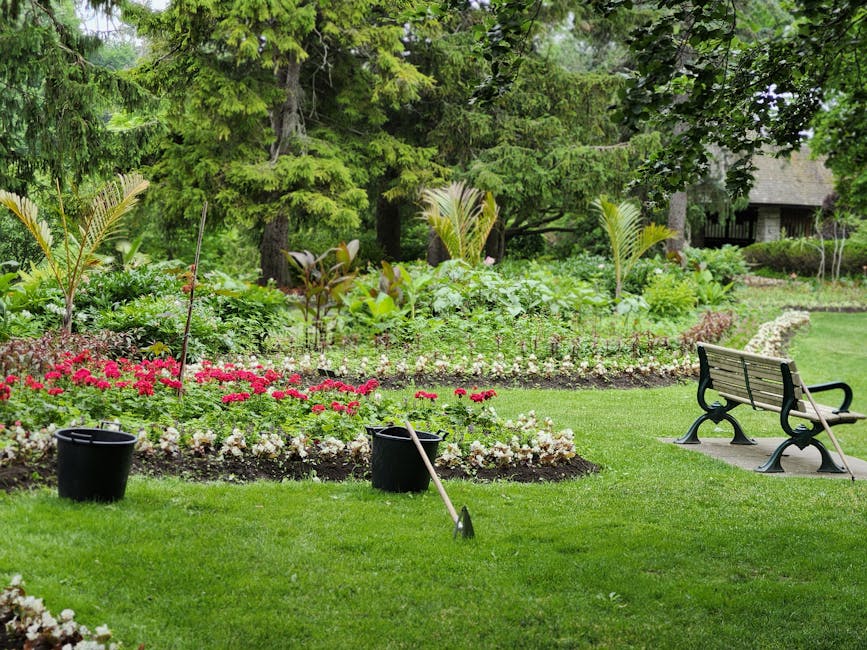
Insider tips choosing gardeners for properties near Dollis Valley
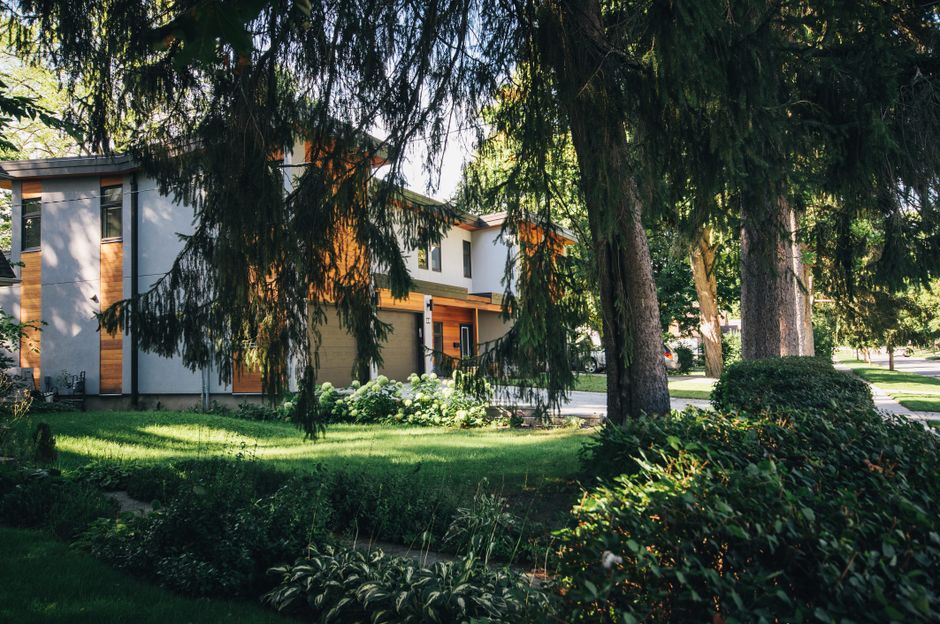
Choosing a gardener sounds simple until you actually start comparing quotes, promises, and glossy before-and-after photos. If your property is near Dollis Valley, there's a bit more to think about than just "who can mow the lawn?" You want someone who understands local gardens, practical maintenance, access issues, and the kind of routine care that keeps a space looking tidy through wet weeks, windy spells, and the odd burst of summer growth. These insider tips choosing gardeners for properties near Dollis Valley will help you spot the right fit without wasting time or money.
Maybe you need regular upkeep, maybe a full garden refresh, or maybe the hedges have got a bit ambitious and the patio has gone that slightly green shade nobody asked for. Fair enough. The goal here is to help you choose a gardener who can actually deliver the result you want, not just talk a good game.
Key takeaway: the best choice is usually not the cheapest or the most polished-sounding one; it's the gardener who asks the right questions, explains their process clearly, and proves they can look after a garden like yours over time.
Why Insider tips choosing gardeners for properties near Dollis Valley Matters
Near Dollis Valley, gardens often have to work hard. Some are compact and need clever use of space. Others have mature planting, tricky shade, hedges that border neighbouring plots, or lawns that simply refuse to behave after heavy rain. The right gardener doesn't just "do jobs"; they help you protect the character of the property while keeping maintenance realistic.
That matters because a poor match shows up quickly. A gardener who's fine on basic mowing may be less comfortable with pruning structure, soil improvement, access planning, or seasonal garden maintenance. And if a team turns up without understanding what your garden needs, you end up with uneven results, repeat visits to fix preventable mistakes, and that slightly annoying feeling that you could have chosen better. Let's face it, nobody wants that.
Local knowledge helps too. A gardener who regularly works on nearby properties is more likely to understand the rhythm of the area: how quickly hedges grow after rain, what shade does to lawn health, where drainage tends to be stubborn, and which jobs need timing carefully rather than being rushed. That is especially useful for homes needing reliable garden maintenance or more specialist work like hedge trimming.
How Insider tips choosing gardeners for properties near Dollis Valley Works
The selection process works best when you treat it like hiring someone for a long-term property role, not just booking a one-off tidy-up. Start with the actual condition of the garden, then match that against the gardener's strengths. A small front garden with seasonal borders needs a different approach from a larger rear space with trees, fencing, and hard landscaping. Sounds obvious, but people skip this part all the time.
A good process usually looks like this:
- Define what needs doing now and what needs ongoing care.
- Separate essential tasks from nice-to-have extras.
- Check whether the gardener offers general upkeep or specialist services.
- Ask how they handle timing, weather delays, access, and waste removal.
- Compare their explanation of the work, not just the headline price.
For example, if your garden has patches that need regular care as well as a tired lawn, you may want a provider that can cover both lawn mowing and lawn care. If your outdoor space is more overgrown and needs shape brought back, you may be better looking at broader gardening services rather than a single-task visit.
The key is to compare like with like. A gardener who quotes for a seasonal tidy-up is not automatically the right pick for a property that needs ongoing structure, planting advice, and occasional heavier work. Different toolsets. Different expectations.
Key Benefits and Practical Advantages
Choosing well brings more than a neat lawn and a tidy border. It creates calm. You notice it when you step outside on a damp morning and the space still looks cared for, rather than slightly defeated by the weather.
- Better value over time: the right gardener prevents small problems from becoming expensive messes.
- More consistent presentation: regular care keeps the property looking considered, not patched together.
- Healthier planting: proper pruning, feeding, and seasonal adjustments reduce stress on plants.
- Less guesswork: you get a plan, not random one-off interventions.
- Improved usability: patios, paths, lawns, and seating areas stay more enjoyable.
There's also a quiet practical benefit: good gardeners tend to spot things early. A leaning fence panel, a hedge that's starting to shade out a border, a tree branch that needs attention, or a patio surface that is becoming slippery. That early warning is valuable, especially if you're trying to keep the property presentable and safe. If fencing is part of the picture, it can help to work with someone who also understands garden fencing and related boundary issues.
And if you're planning to improve the space rather than simply maintain it, a gardener with design awareness may point you toward better layout choices. In some gardens, that means softening awkward corners; in others it means recommending more robust planting, better surfaces, or a practical rethink of shade and circulation. A little expertise goes a long way.
Who This Is For and When It Makes Sense
This advice is for homeowners, landlords, property managers, and busy households near Dollis Valley who want their outdoor space to stay under control without spending every weekend chasing weeds. It's also useful if you've recently moved in and the garden feels like it belongs to someone else entirely. You know the feeling: nice bones, but a bit untamed.
It makes sense to take this seriously when any of the following apply:
- The garden is too large to maintain comfortably on your own.
- The lawn has become patchy, mossy, or uneven.
- Hedges, shrubs, or climbers are starting to dominate.
- You need regular upkeep rather than a one-off tidy.
- You are planning improvements like planting, landscaping, or seating areas.
- The property needs to look presentable for tenants, viewings, or guests.
It's also worth considering specialist support if the garden includes trees, taller hedging, or features like decking and patios. In those cases, a general gardener may still be useful, but you might need coordinated help from tree surgery, decking services, or patio cleaning depending on what is actually going on.
Truth be told, once a garden slips beyond simple maintenance, it often becomes cheaper and easier to choose a gardener with wider experience rather than trying to patch together several rushed fixes.
Step-by-Step Guidance
If you want a method that cuts through the noise, follow this process. It is simple, but it works.
- List the exact jobs you need. Be specific. "Garden help" is too vague. Write down mowing, edging, hedge trimming, weeding, planting, clearance, patio cleaning, or seasonal work.
- Decide what matters most. Is it reliability, design sense, price, speed, or the ability to manage several tasks in one visit?
- Check the service fit. Some gardens only need routine support. Others need broader care or occasional reshaping. Match the scope to the provider.
- Ask about process. How do they assess the garden? What happens if weather delays the job? Do they bring tools and dispose of waste?
- Look for clear communication. Good gardeners explain what they will do, what they won't do, and what may need later attention.
- Ask for a practical quote. The best quote should reflect the real scope, not a quick guess that later changes.
- Start with a trial visit if needed. For ongoing work, one smaller job can tell you a lot about punctuality, finish quality, and attention to detail.
If your property has neglected planting or a tired layout, a proper landscaping approach may be more useful than repeated surface-level tidying. For mature hedges, read the gardener's answer carefully when you ask about height, shape, and timing. Someone confident in the work will usually give a calm, sensible response rather than a vague "yeah, no problem."
One small but important point: notice whether they ask questions back. That's a good sign. The best professionals want to understand your priorities before they start trimming things that maybe should not have been trimmed. Happens more often than people admit.
Expert Tips for Better Results
Here are the insider details that genuinely separate a decent hire from a very good one.
- Prioritise gardeners who think in seasons. A garden near Dollis Valley will not need the same work in February as it does in June. Seasonal thinking is a sign of experience.
- Choose someone who notices structure, not just surface neatness. Great gardeners see plant health, soil condition, drainage, and spacing. They do not only see "mess."
- Ask how they handle overgrowth. A strong answer usually mentions reduction in stages, protection of healthy growth, and tidy waste handling.
- Be cautious with ultra-fast quotes. Very quick pricing can be useful for simple jobs, but if the garden is complex, a rushed estimate may miss key work.
- Look for practical advice you can use later. Good gardeners often suggest small changes that save time long term, such as mulching, better edging, or swapping high-maintenance planting for something more manageable.
It also helps to pay attention to how they talk about maintenance after the job. Do they explain what will grow back quickly? Do they suggest follow-up care? Do they mention ongoing lawn care if the turf needs it? A thoughtful answer here often says more than any brochure ever will.
For example, if a gardener suggests supporting wildlife-friendly or lower-maintenance planting, that may be a positive sign, especially if you've already been thinking about options like ground cover varieties, low-maintenance garden solutions, or even softer planting ideas from the site's other guidance. Useful advice usually feels grounded, not pushy.
Common Mistakes to Avoid
The biggest mistake? Hiring on price alone. Cheap can be tempting, absolutely, but if the work is repeated, incomplete, or not suited to the garden, it stops being cheap very quickly.
- Not defining the scope: people often forget to mention hedges, edges, borders, access gates, or waste removal.
- Assuming all gardeners do the same work: they really don't.
- Ignoring communication style: if a gardener is vague before the job, they may be vague after it too.
- Forgetting about seasonal timing: some work is best done carefully, not urgently.
- Overlooking access and safety: narrow paths, shared driveways, pets, and fragile planting all affect the job.
- Skipping proof of experience: relevant examples, service clarity, and realistic explanations matter a lot.
Another common one: booking a gardener to "just tidy everything" without thinking about what should be preserved. A mature shrub, an old climber, or a boundary hedge might look untidy now but still have good structure underneath. If you want the garden revived rather than stripped back, that distinction matters. There's a reason some overgrown spaces recover beautifully and others never quite do.
And a small, honest warning: if the brief changes halfway through, say so early. Garden work is physical and sequential. Last-minute changes can be done, but they're rarely graceful.
Tools, Resources and Recommendations
You do not need to be a gardening expert to choose well, but a few tools and habits make the process easier.
- A simple garden brief: jot down the tasks, preferred timing, and any access notes.
- Photos of the space: useful for comparing quotes and explaining what needs attention.
- Seasonal reminder list: keep track of hedge trimming, lawn care, leaf clearance, and pruning windows.
- Measurement rough notes: even approximate sizes help the gardener estimate realistically.
- A priority list: what must be done now versus what can wait a month.
As for recommendations, look for a provider who can cover a sensible range of tasks without becoming scattered. A team that can handle general gardening services, lawn mowing, and lawn care is often better for regular properties than one that only offers a single narrow service. If the outside space includes a patio or decking, it is worth checking whether cleaning and maintenance can be coordinated rather than booked separately.
For inspiration and planning, the site's practical articles on topics like protecting gardens from harsh weather, wind-resilient design, and garden seating can help you think beyond basic maintenance. That wider perspective often leads to better decisions, oddly enough.
Law, Compliance, Standards, or Best Practice
For most homeowners, this is not a heavily regulated purchase, but there are still practical standards you should expect. A trustworthy gardener should work safely, respect neighbouring property, and avoid damage to shared boundaries or planted areas. If tree work is involved, it should be handled carefully and only by someone with the right experience for the task.
Best practice usually includes:
- clear agreement on what work will be done
- reasonable care around plants, structures, and access routes
- safe use of tools and equipment
- tidy removal or management of waste
- respect for wildlife, nesting periods, and seasonal sensitivities where relevant
If you live in a shared or closely bordered property near Dollis Valley, it is sensible to discuss boundary hedges, overhanging branches, and access before work starts. That avoids awkward conversations later. If there are trees or significant height-related jobs, the gardener should be able to explain where a specialist approach is needed rather than trying to improvise.
In plain English: if a job looks risky, awkward, or beyond normal maintenance, treat caution as a positive sign, not a weakness. Good tradespeople know when to slow down.
Options, Methods, or Comparison Table
If you are deciding between different types of help, this comparison can make things clearer.
| Option | Best for | Strengths | Watch out for |
|---|---|---|---|
| General gardener | Routine upkeep and mixed small jobs | Flexible, familiar, practical | May not suit specialist tasks |
| Lawn-focused service | Grass health, mowing, edging, treatment | Consistent lawn results | Limited broader garden support |
| Maintenance-led service | Ongoing care over the year | Reliable seasonal upkeep | May not include design or major changes |
| Project or landscaping support | Garden refreshes and layout changes | Better for improvement work | Not always ideal for simple routine visits |
For many Dollis Valley properties, the sweet spot is a combination: routine care for regular jobs, plus access to more specialist help when needed. That might mean regular visits for edging and tidying, then occasional support with patio cleaning or a proper seasonal cut-back when the garden starts pushing back a little.
A practical comparison question to ask yourself is this: do I need a once-and-done clean-up, or do I need someone who can keep the space behaving all year? The answer usually points you to the right type of gardener.
Case Study or Real-World Example
A typical scenario near Dollis Valley goes like this. A homeowner has a rear garden that looks fine from a distance, but up close the hedge is uneven, the lawn has thin patches, the patio is streaked, and the planting bed is full of volunteer growth. Nothing dramatic, just a slow slide into "we should really sort that out."
They first ask for a quick quote based on photos. Reasonable enough. But the better gardener doesn't stop there. They ask about access, how often the garden gets used, whether children or pets are out there, and what the homeowner actually wants to keep. Good sign. The plan becomes a mix of hedge trimming, lawn care, a tidy-up of the borders, and a clean-up of the patio surface. No over-selling, no drama.
What changed most was not just the appearance. It was the usefulness. The garden felt easier to live with. The lawn looked less tired, the hedge felt contained rather than intrusive, and the patio became a place to sit again rather than something you walked past with mild guilt. That kind of result is what you are aiming for.
And yes, the homeowner later realised they should have asked those questions first. But, to be fair, most people only learn that after one slightly messy booking experience.
Practical Checklist
Use this checklist before you book.
- Have I listed the exact jobs I need?
- Do I know whether I need one-off help or ongoing maintenance?
- Have I checked if the gardener covers the type of work my property actually needs?
- Have I asked about timing, access, and waste removal?
- Did the gardener explain the work clearly and calmly?
- Do I understand what is included in the quote?
- Have I considered lawn, hedge, patio, fencing, or tree-related issues separately?
- Do I feel comfortable with the communication style?
- Have I looked for seasonal thinking rather than one-off sales talk?
- Am I choosing based on fit, not just the lowest price?
If most of those answers are yes, you are in a much better position than most people who rush the process. That alone saves stress.
Get a free quote today and see how much you can save.
Conclusion
Choosing a gardener near Dollis Valley is really about finding the right mix of skill, honesty, and local practicality. A good gardener should understand your property, respect your priorities, and make the garden easier to live with over time. Not every garden needs the same approach, and not every gardener is the right fit for every space. That is normal.
When you focus on service fit, communication, seasonal awareness, and genuine care for the details, you make a far stronger decision. And once the right person is looking after the space, the whole place tends to feel calmer, cleaner, and more intentional. You'll notice it on a grey morning, especially. The garden just sits there quietly, doing its job.
That is the real aim: not perfection, just a garden that feels well kept, well understood, and pleasantly easy to enjoy.
Frequently Asked Questions
What should I ask a gardener before hiring them near Dollis Valley?
Ask what services they cover, how they price the work, whether waste removal is included, and how they handle seasonal changes. It is also worth asking what they would prioritise first if they were looking at your garden for the first time.
How do I know if I need a general gardener or a specialist?
If the garden mostly needs routine tidying, mowing, and border care, a general gardener may be enough. If you need tree work, heavy hedge reduction, patio restoration, or broader changes to layout, you may need more specialist support.
Is it better to choose the cheapest quote?
Not usually. The cheapest quote can be fine for simple tasks, but for more complex gardens, the best value often comes from the gardener who understands the work properly and explains it clearly.
How often should a property near Dollis Valley have garden maintenance?
That depends on the size of the garden, the planting, and how fast things grow. Some properties need weekly or fortnightly care in the growing season, while others only need more occasional visits. A good gardener should help you judge that.
What if my garden has both lawn issues and overgrown hedges?
That is very common. Look for someone who can manage a mixed scope or coordinate different tasks sensibly. Services such as lawn care and hedge trimming often work best together rather than separately.
Should I ask for photos or examples of previous work?
Yes, if available. Real examples help you judge whether their style matches your needs. You are not looking for perfection in a photo; you are looking for consistency and relevant experience.
What signs suggest a gardener is reliable?
Clear answers, realistic quotes, punctual communication, and sensible questions about your property are all good signs. Reliability tends to show up early, even before the first visit.
Do I need ongoing maintenance or just a one-off tidy-up?
If the garden gets untidy quickly, has repeated lawn or hedge issues, or needs regular plant care, ongoing maintenance is often the better choice. If you just need a reset before handling things yourself, a one-off tidy-up may be enough.
Can a gardener help improve the look of my property as well as maintain it?
Yes. Many gardeners can suggest small improvements that make a space look more considered, such as better edging, cleaner planting lines, healthier grass, or light landscaping adjustments.
What should I do if the gardener says my job needs more than expected?
Ask them to explain why, in plain English. Sometimes there is a genuine reason: hidden overgrowth, poor drainage, safety issues, or extra waste. A trustworthy gardener should be able to justify the change without making it feel awkward.
Is it worth booking patio or decking cleaning alongside garden work?
Often, yes. If hard surfaces are dull or slippery, combining cleaning with plant and lawn care can make the whole garden feel transformed rather than only partly improved.
When is the best time to arrange hedge trimming or stronger cut-back work?
The best time depends on the hedge type and the local growing cycle, so it is sensible to ask rather than assume. A good gardener will know when to trim lightly and when a stronger cut is appropriate. Timing matters more than people think.