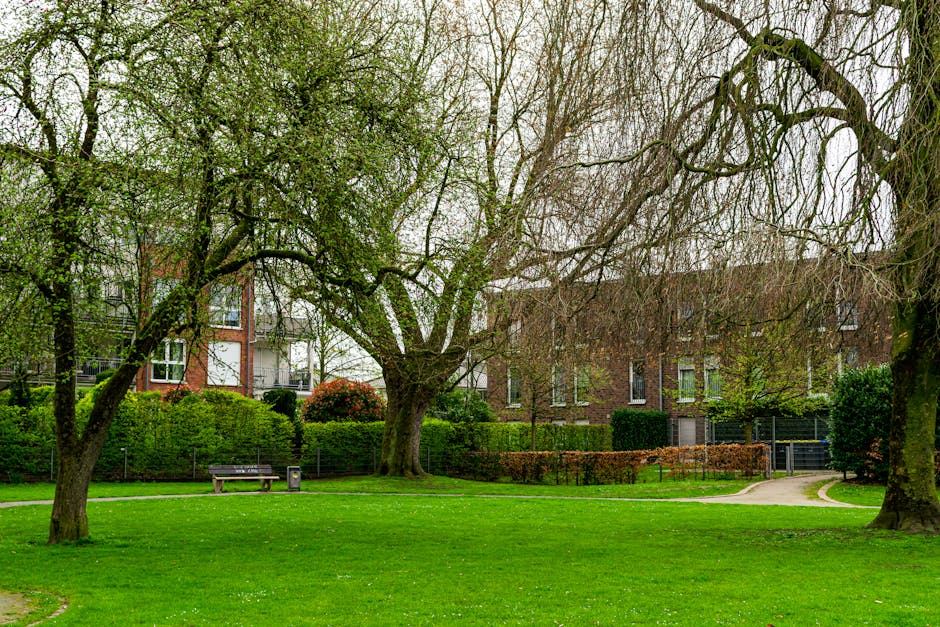
Gardeners for Woodside Park rental blocks and offices NW11
If you manage a rental block, oversee an office building, or simply want the shared outdoor spaces in NW11 to look cared for without becoming a weekly headache, you already know the pattern: one overgrown hedge, a tired lawn, a muddy entrance path, and suddenly the whole property feels neglected. That is where Gardeners for Woodside Park rental blocks and offices NW11 become genuinely useful. Not just for "making things look nice", but for keeping communal grounds safe, tidy, and easier to manage in the long run.
In Woodside Park, where many properties need to balance kerb appeal, tenant expectations, and practical upkeep, the right gardening support does more than trim edges. It helps protect trees, maintain shared access routes, and prevent minor issues from turning into expensive distractions. This guide walks through how it works, what to expect, and how to choose maintenance that actually fits the way rental and commercial sites operate. No fluff. Just the useful bits.
Why Gardeners for Woodside Park rental blocks and offices NW11 Matters
Shared outdoor spaces are judged quickly. A visitor steps out of a car, sees the frontage, and within seconds has formed an opinion. Tenants do the same. Staff do too. Let's face it, nobody gets excited by a bin store framed by brambles or a patchy lawn with weeds marching through the borders.
For rental blocks, maintenance is about far more than appearances. Garden areas are part of the building's liveability. They affect resident satisfaction, complaints to managing agents, and sometimes even how easy it is to let a flat. For offices, outdoor upkeep can shape the mood of the whole site. Clean paths, trimmed hedges, and well-kept planting can make a workplace feel organised and calm, which matters more than people admit.
There is also the simple issue of routine risk. Wet leaves on paths, broken branches, blocked sightlines, and unchecked growth around fencing or railings all create avoidable problems. A consistent gardener knows how to spot those issues early. That early spotting is worth a lot, honestly.
In a place like Woodside Park, where properties often mix mature planting with compact shared spaces, you need maintenance that respects both the landscape and the day-to-day use of the site. That means choosing services that are practical, regular, and flexible enough to work around residents, office hours, deliveries, and access needs.
How Gardeners for Woodside Park rental blocks and offices NW11 Works
Good site gardening usually starts with a walkaround rather than a guess. A site visit lets the gardener understand entrances, grassed areas, hedges, tree canopies, paved sections, waste access, and any awkward corners where weeds always seem to win. And they do win if nobody is paying attention.
From there, the work is typically split into regular and occasional tasks:
- Regular maintenance: mowing, edging, hedge trimming, border care, litter tidying, and seasonal weeding.
- Periodic work: leaf clearance, shrub reduction, tree work, pressure or patio cleaning for communal hard surfaces, and larger tidy-ups after growth spurts.
- Improvement work: planting refreshes, border redesigns, soil improvement, and sometimes landscaping support to make the whole place more durable and less fussy.
For offices, service timing matters just as much as the task list. Early-morning visits, off-peak work, and quiet machinery choices can make a big difference. Nobody wants a strimmer screaming past a meeting room window at 9:15 on a Monday.
For rental blocks, communication is part of the service. The gardening team may need to work through a managing agent, concierge, landlord, or residents' committee. Good coordination avoids confusion about access, pruning consent, or what is and is not included in the routine visit.
Key Benefits and Practical Advantages
There are obvious benefits, and then there are the ones people only notice after a few months. The obvious ones are curb appeal and tidiness. The slower-burn benefits are where the value really sits.
- Better first impressions: Clean, managed grounds support lettings, tenant retention, and a more professional office presence.
- Lower long-term disruption: Regular pruning and care usually prevent bigger remedial jobs later.
- Safer shared spaces: Clear paths, reduced trip hazards, and improved visibility around entrances all help.
- Healthier planting: Consistent care supports root health, balanced growth, and better seasonal performance.
- Less management hassle: One reliable maintenance plan is easier than chasing ad hoc fixes every time something looks tired.
There is also a financial angle, although it should be handled sensibly. Planned upkeep is often more predictable than emergency intervention. A neglected hedge does not stay "just a hedge" for long. It becomes access obstruction, light loss, neighbour complaint, and maybe a late-priority callout. Nobody needs that.
For office sites, another big advantage is staff experience. People notice the outdoor environment even if they do not consciously think about it. A smart entrance, tidy borders, and healthy shrubs can make arrival feel less flat and more welcoming. Small detail, big effect.
Practical takeaway: for shared properties, the best gardening service is the one that makes the site easier to run, not just prettier for a day.
Who This Is For and When It Makes Sense
This kind of service makes sense for anyone responsible for outdoor space that is used by more than one person or reviewed by more than one pair of eyes. If that sounds vague, here is the clearer version.
- Landlords with small or medium rental blocks who want reliable upkeep without micromanaging it.
- Managing agents who need a tidy, repeatable service schedule and clear reporting.
- Freeholders and resident groups wanting better shared gardens and cleaner communal access.
- Office managers aiming to keep staff entrances, side paths, and perimeter planting presentable.
- Property developers needing a site brought up to standard before handover or viewings.
- Facilities teams that want gardening folded into broader site maintenance rather than treated as an afterthought.
It also makes sense when the site has a few warning signs: grass going thin from poor mowing practice, hedges blocking windows, borders full of self-seeded weeds, patios slipping into green algae, or tree growth starting to interfere with light and access. If you are seeing two or three of those at once, the site is already asking for a plan.
For smaller offices, the trigger is often seasonal. Spring growth, autumn leaf fall, and winter slippage create a regular cycle. For rental blocks, the trigger is usually resident feedback: "Could someone please sort the front garden?" Usually said more than once.
Step-by-Step Guidance
If you are arranging garden maintenance for a block or office, a simple structure helps. Not fancy, just clear.
- Walk the site properly. Note grass areas, hedges, trees, borders, hard surfaces, drainage issues, and any access restrictions.
- Define what matters most. Is it appearances, safety, seasonal control, or all three? Be honest about priorities.
- Separate routine work from occasional work. Mowing and weeding may be weekly or fortnightly; tree reductions or patio cleaning will be less frequent.
- Set boundaries. Decide who approves extra work, who receives updates, and how access is arranged.
- Choose a maintenance rhythm. A site that grows quickly may need more frequent visits in spring and summer, then a lighter winter pattern.
- Review after the first few visits. This is where the details appear: one corner floods, one hedge grows faster than expected, one lawn hates shade. Site reality, basically.
If you want a broad service base that can handle maintenance, planting, and site improvements in one place, it can help to look at general gardening services in Woodside Park alongside more specific tasks.
For lawns, do not treat mowing as the whole story. Stronger results usually come from combining cutting with feeding, scarifying where needed, and occasional remedial care. A dedicated lawn care plan can make communal grass much more resilient than cut-and-go visits alone.
Expert Tips for Better Results
Here is where good site gardeners tend to separate themselves from merely competent ones. They work with growth patterns instead of fighting them the hard way.
- Plan around the fastest-growing zones. A hedge beside a path or car park edge may need more frequent attention than rear boundaries.
- Keep sightlines open. In shared sites, visibility matters near entrances, parking areas, and corners. Trim for safety as well as shape.
- Do not overcut lawns. That is a classic mistake. A hard scalp can make turf weaker, especially in shade or droughty conditions.
- Use layered planting where possible. Mixed shrubs, ground cover, and occasional seasonal colour often age better than bare borders.
- Think in terms of maintenance hours, not just style. A beautiful layout that needs constant fiddling is not a gift to a busy site team.
Where a block has difficult embankments, exposed corners, or awkward wind paths, the planting choice matters more than people expect. If your site gets battered by weather, a design that leans into shelter and structure can save a surprising amount of hassle. The article on creating a wind-resilient garden design is a good reminder that resilience is a design feature, not an afterthought.
And if you are dealing with shade under mature trees or building walls, don't force sun-loving plants to do a job they dislike. Shade planting, climbers, and tougher ground cover often behave much better than ambitious but needy bedding schemes. Truth be told, plants have preferences too.
Common Mistakes to Avoid
Shared sites can go wrong in predictable ways. The good news is that most of them are avoidable.
- Leaving work until complaints pile up. By then, the job is bigger and more visible.
- Choosing looks over practicality. A high-maintenance display bed may look smart for a few weeks, then become a burden.
- Ignoring tree growth. Branches overhanging roofs, walkways, or light wells are not just a tidy-up issue. They can become a real management problem.
- Using the wrong pruning approach. Harsh cuts in the wrong season can weaken shrubs and hedge structure.
- Not agreeing responsibility. If nobody owns the site, nobody maintains it properly. Simple, but true.
- Forgetting seasonal transitions. Spring growth, summer dry spells, autumn leaves, and winter storms all need different attention.
A very common one in rental blocks is assuming the communal garden will "settle down" if left alone. It won't. It just grows. Quietly, then quickly, then annoyingly. A bit like email inboxes.
Tools, Resources and Recommendations
For this kind of work, the right tools matter, but they do not need to be exotic. The key is having the correct kit for the scale of the site and the tasks on the schedule.
Useful tools and equipment often include:
- mowers suited to the lawn size and access points
- hedge trimmers for formal or informal boundary shaping
- secateurs and loppers for finer pruning
- leaf blowers or rakes for seasonal clearances
- pressure washing equipment for hard surfaces where appropriate
- barrows, sacks, and safe waste-handling gear
On the planning side, it helps to keep a simple site record. That can include visit dates, plant issues, recent weather damage, and areas that need attention next time. It sounds a bit administrative, yes, but it saves time and confusion later.
For property teams that want to improve more than just day-to-day tidiness, a smart next step can be to combine maintenance with targeted improvement work like site landscaping, or hard-surface refreshes such as patio cleaning where paved communal areas have become slippery or stained.
If the property has mature hedges, mixed boundary lines, or blocked outlooks, hedge trimming services and even tree surgery in Woodside Park may be part of the right long-term plan rather than separate emergencies. That distinction matters.
Law, Compliance, Standards, or Best Practice
Without pretending every site is the same, there are some sensible UK best-practice points to keep in mind. Shared properties often involve duty of care, safe access, and clear responsibility for outdoor upkeep. In practical terms, that means keeping paths reasonably clear, managing vegetation that affects visibility, and handling tree or hedge work with proper care.
For anything involving larger trees, overhanging branches, or work close to people, buildings, or vehicles, it is wise to use qualified professionals with the right insurance and safe working methods. The detail depends on the site, and it is better to check carefully than assume. Same goes for waste removal and access arrangements: don't leave it fuzzy.
In communal settings, it is also sensible to think about seasonal hazards. Wet leaves, moss on paving, low branches, and hidden trip points can all create avoidable risk. The standard here is not perfection; it is reasonable, regular control.
One more thing. If your property has planting near boundaries, entrances, or service access points, make sure maintenance decisions are coordinated with those who manage the building. A quick cut made without context can create the wrong sort of surprise. And nobody enjoys that Monday morning email.
Options, Methods, or Comparison Table
Most site owners or managers end up choosing between three broad approaches. Each has a place, depending on the building and the level of attention needed.
| Approach | Best for | Strengths | Limitations |
|---|---|---|---|
| Ad hoc callouts | Very small sites or one-off issues | Quick to arrange, useful for emergencies | Can become reactive and expensive if used too often |
| Scheduled maintenance visits | Most rental blocks and offices | Consistent, predictable, easier to budget and manage | Needs a clear scope and regular communication |
| Maintenance plus improvement plan | Sites that need tidying and upgrading | Improves appearance, usability, and long-term resilience | Requires more planning and coordination |
For many NW11 properties, scheduled maintenance plus occasional improvement work is the sweet spot. It keeps the site presentable and reduces the number of "urgent" moments. Those are never as urgent as they first sound, by the way. But still.
Where planting is sparse or patchy, combining regular care with low-maintenance planting ideas can make a lot of sense. Ground cover, resilient shrubs, and container features are all worth considering for awkward or narrow spaces. There is a useful article on cost-effective low-maintenance garden solutions if you want practical ideas that do not require constant babysitting.
Case Study or Real-World Example
Consider a mixed-use site in Woodside Park with a small office entrance at the front and a modest residential garden at the rear. Nothing dramatic. Just the kind of place where details accumulate quietly.
At first, the issues were minor: a hedge drifting into the walkway, grass thinning near a shaded corner, and the rear patio turning green after damp weather. Residents had started stepping around one patch rather than across it. Office staff were noticing the front beds looked "a bit lost", which is polite code for overdue.
The first round of work focused on straightforward correction: hedge reduction, lawn recovery, patio cleaning, and a border tidy-up. Then the follow-up visits shifted to routine upkeep. The key improvement was not one big makeover. It was the rhythm. Short visits, clear priorities, and a plan that matched the site rather than trying to impress it.
Within a few months, the entrance looked sharper, the rear space felt usable again, and the manager stopped receiving constant little complaints. That is the real win on sites like this. Not perfection. Just calm.
For a broader environmental refresh, small changes can also matter, such as replacing awkward bare areas with ground cover or a few durable climbers. If that appeals, the guide on ground cover varieties for UK gardens is a helpful place to get ideas.
Practical Checklist
Use this checklist when arranging gardeners for a rental block or office site in NW11:
- Walk the entire site, not just the obvious front area.
- List the highest-priority problems first.
- Separate routine maintenance from one-off remedial work.
- Check access times, keys, codes, and contact details.
- Agree who signs off extra work.
- Plan around seasonal growth, leaf fall, and wet weather.
- Make sure paths, steps, and entrances stay clear.
- Confirm whether trees, hedges, or climbers need specialist attention.
- Review the site after the first few visits and adjust the schedule.
- Keep notes so future visits are faster and more consistent.
A simple checklist sounds basic, but it is often what turns a messy arrangement into a reliable one.
Conclusion
Gardeners for Woodside Park rental blocks and offices NW11 are about much more than keeping grass short and hedges neat. They help properties run better, look more professional, and stay easier to manage through the changing seasons. In a busy area where shared spaces are constantly being used, judged, and lived in, that consistency matters.
The best approach is usually a practical one: regular maintenance, seasonal adjustments, clear communication, and the occasional improvement project where needed. Keep the site tidy, but also keep it resilient. That balance is what saves time, stress, and a fair amount of grumbling later on.
If you are ready to improve a block, office frontage, or communal garden, now is the right moment to start with a site review and a simple maintenance plan. It does not have to be complicated to work well.
Get a free quote today and see how much you can save.
Frequently Asked Questions
What do gardeners for rental blocks and offices in Woodside Park usually handle?
They typically manage routine tasks such as mowing, edging, hedge trimming, weeding, leaf clearance, pruning, and tidying communal outdoor areas. Some sites also need planting refreshes, patio cleaning, or tree-related work.
How often should a communal garden be maintained?
It depends on site size, planting type, and season. Many blocks and office grounds benefit from fortnightly or weekly visits during peak growing months, then lighter maintenance in winter.
Is regular maintenance better than occasional one-off visits?
For most shared properties, yes. Scheduled maintenance keeps the site consistent and reduces the chance of larger, more disruptive problems building up between visits.
Can gardening services help with tenant complaints?
They can help a lot. Tidy entrances, controlled hedges, and clear pathways usually reduce the most common complaints about shared outdoor areas.
What should I ask before hiring a gardener for an office site?
Ask about the scope of work, visit frequency, access arrangements, waste removal, insurance, and how they handle seasonal tasks like leaf clearance or pruning.
Do rental blocks need different gardening priorities from offices?
Yes. Rental blocks often prioritise shared resident use, safety, and consistent presentation, while offices may place extra weight on entrance appearance and low-disruption scheduling.
What if the site has mature trees or large hedges?
Then you may need specialist support alongside routine care. Larger trees and dense hedges can require more careful management, especially where they affect light, access, or safety.
How do I keep garden maintenance costs under control?
The best way is to set a clear maintenance plan, keep on top of regular work, and avoid letting small issues become larger interventions. Planned upkeep is usually easier to budget for than last-minute fixes.
Can hard surfaces like patios be included in gardening visits?
Often yes, especially where paving or communal paths have become slippery, stained, or overrun with moss. It depends on the service scope and the property's needs.
What is the biggest mistake property managers make with shared gardens?
Waiting too long. By the time the site feels obviously untidy, the remedy is usually bigger than it needed to be. A little consistency goes a long way.
How do I know whether I need landscaping as well as maintenance?
If the site is difficult to manage, constantly patchy, badly drained, or awkwardly laid out, some light landscaping changes may help. Maintenance alone can only do so much if the underlying design works against you.
Where should I start if the garden has been neglected for a while?
Start with a full site assessment. Clear the priorities, tackle the most visible problems first, and then move into a regular plan. A proper reset is usually more effective than trying to fix everything in one hit.
In the end, a well-kept communal site is a quiet comfort. Not flashy, just reassuring. And that counts for more than people often realise.