020 3744 3778
Dog-Friendly Gardening: Creating a Safe Haven
Posted on 26/08/2025
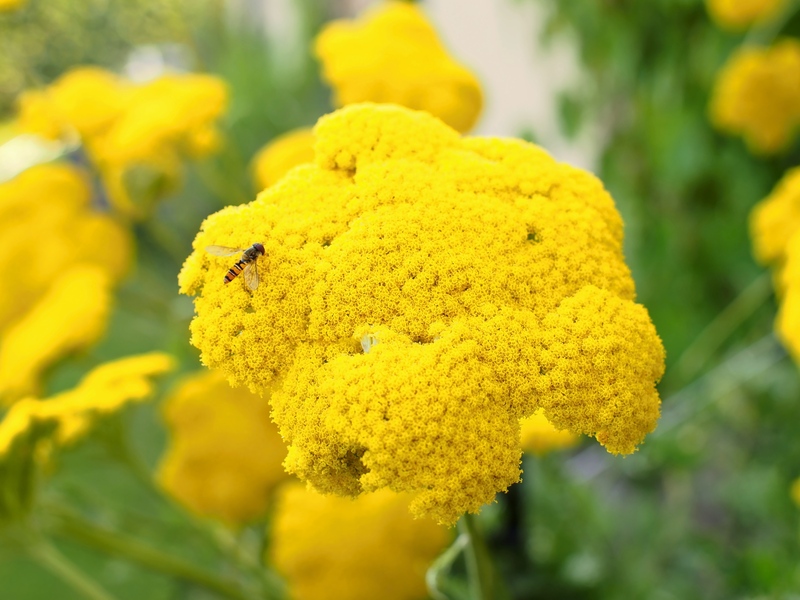
Dog-Friendly Gardening: Creating a Safe Haven
Gardening is a beloved hobby for many, offering relaxation, beauty, and a connection to nature. For dog owners, however, creating a garden that is safe and enjoyable for their furry companions is crucial. Dog-friendly gardening is about more than just preventing holes in your lawn--it's about designing a sanctuary where both you and your pet can thrive. Let's explore how to create a safe haven in your garden for dogs, blending function, beauty, and canine well-being.
Why Dog-Friendly Gardening Matters
Dogs are naturally curious, playful creatures who love to explore their surroundings. Typical gardens, however, can pose hidden risks--certain plants are toxic, fertilizers may be harmful, and sharp tools or edges could injure a pet. By adopting the principles of dog-friendly landscaping, you not only protect your pet but also reduce wear and tear on your green spaces. A garden built with your dog's needs in mind will result in a more harmonious environment for the whole family.
Benefits of Dog-Safe Gardens
- Reduced Risk of Toxic Plant Exposure
- Prevention of escapes or injuries
- Stress relief for both pet and owner
- Pleasant pet-friendly garden designs add value and usability to your property
- Encourages more time outdoors and in nature
Planning Your Dog-Friendly Garden: Essential Considerations
Before planting a single seed, take time to assess your dog's personality and needs. Are they a digger or a chewer? Do they love to bask in the sun or seek out cool, shady spots? Understanding your pet will help you shape an outdoor space that suits both your aesthetic preferences and your dog's well-being.
Factors to Consider in Dog-Proof Landscaping
- Size and Breed of Your Dog: Larger or more energetic breeds may need tougher ground cover and sturdier plants.
- Security: Ensure fences are tall enough and check for gaps underneath where your dog might tunnel out.
- Sun and Shade: Dogs need access to both sunny patches for basking and shaded areas for cooling off.
- Pathways: Dogs love to patrol perimeters; consider adding paths or trails for them.
- Water Access: Provide a fresh water source or even a splash zone in hot climates.
Choosing Dog-Safe Plants and Avoiding Toxic Species
Selecting the right plants is central to dog-friendly gardening. Some commonly grown ornamentals are highly toxic to dogs if ingested, while others are both durable and safe. Always research before planting and, if in doubt, consult with your veterinarian.
Common Toxic Plants to Avoid
- Lilies (all varieties)
- Azaleas and Rhododendrons
- Oleander
- Foxglove
- Sago palm
- Autumn Crocus
- Daffodils
- Tulips
Even small amounts of these plants can cause illness, so they should be strictly avoided in any area your dog can access.
Best Non-Toxic Plants for Dogs
- Sunflowers
- Marigolds
- Snapdragons
- Roses (watch out for thorns, though)
- Magnolias
- Camellias
- Ornamental grasses
- Herbs like basil, cilantro, sage, and thyme
These species provide beauty, resist roughhousing, and do not pose a threat to canine companions.
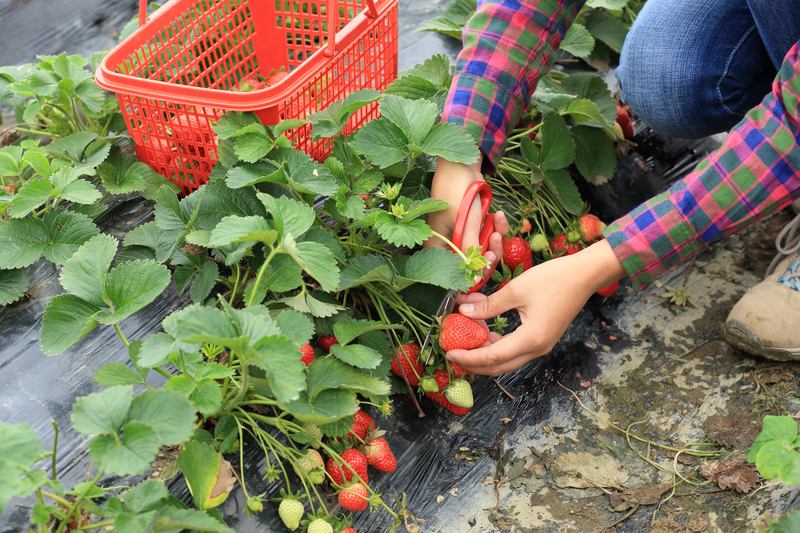
Design Elements of a Safe Dog Garden
A successful dog-friendly outdoor space incorporates elements that encourage play, rest, and exploration while minimizing dangers. Here's how you can achieve a balance:
Create Shaded Retreats
Dogs, like people, need relief from the sun. Use trees, dog-safe shrubs, pergolas, or shade sails to ensure there's always a cool spot for your dog to rest. Placing a dog house under a tree or awning is another excellent way to offer shelter.
Install Sturdy Pathways
Dogs often follow the same route around the yard, creating "dog runs" or trails. Rather than fighting this behavior, incorporate it! Use durable materials like flagstone, brick, or pea gravel to make paths that are gentle on paws and easy to keep clean.
Add Digging Zones
Some dogs are natural diggers. To save your flowerbeds, designate a specific area--like a sandpit or a bark mulch bed--where digging is encouraged. Reward your pet for using their area to reinforce boundaries gently.
Choose Pet-Safe Mulch and Ground Covers
- Cedar mulch is a better choice than cocoa mulch, which is toxic to dogs.
- Fine pine mulch and pea gravel are also safe options.
- Avoid sharp stones and large bark chips that can cause injury or be swallowed.
- For grass alternatives, consider clover, creeping thyme, or moss, which are tough and non-toxic.
Secure Boundaries and Escape-Proofing
A critical aspect of any dog-safe landscape is good fencing. Make sure all boundaries are secure, checking for holes or weak points. For diggers, try burying chicken wire below the fence line. Gates should self-close and latch securely.
Enrichment Features
Dogs thrive on stimulation. To make your outdoor dog garden more enriching, consider adding:
- Agility tunnels or ramps
- Shallow water features for drinking and splashing (never a deep pond!)
- Stumps or rocks for climbing and jumping
- Large, shady beds for napping
- Interactive toys that can be hidden for scent games
Organic Dog-Friendly Gardening Practices
Conventional gardening products often contain chemicals that can harm pets. Embrace organic, eco-friendly methods to ensure your yard is a true dog haven. Not only does this protect your dog, but it also benefits local wildlife and your family.
Safe Fertilizers and Pest Control
- Use compost and natural mulch as fertilizer alternatives.
- Avoid pesticides and slug bait; opt for products labeled "pet safe".
- Neem oil and insecticidal soaps are safer alternatives to harsh chemicals.
- Encourage beneficial insects and birds for natural pest management.
Pet-Safe Weed Control
- Hand-pull weeds or use safe options like vinegar and boiling water for spot treatments (never where your dog's paws will frequent until dry and safe).
- Lay down cardboard and mulch to suppress weeds organically.
Training Tips for a Dog-Friendly Yard
A harmonious garden depends not just on the environment, but also on your dog's behavior. Combine thoughtful garden design with consistent training:
- Establish boundaries early. Teach your dog which areas are off-limits using gentle commands and positive reinforcement.
- Distract and redirect unwanted digging or chewing to designated zones.
- Reward good behavior with treats or favorite toys.
- Supervise until your pet learns the garden's rules.
Maintaining Your Dog-Safe Haven
A pet-friendly garden is a living environment that changes with the seasons and your dog's needs. Check fences, clean water bowls, trim overhanging branches, and refresh mulch regularly. Watch for signs of plant damage or "favorite spots" and adjust your garden's layout as needed.
Spring and Summer Maintenance
- Inspect lawns and beds for holes or damage after wet weather.
- Trim grass and ground cover to minimize ticks and fleas.
- Keep an eye out for seasonal toxic plants that may sprout up on their own.
Autumn and Winter Care
- Rake up fallen leaves and remove fruits or nuts that could tempt your dog.
- Check for standing water, which can harbor bacteria or attract mosquitoes.
- In snowy climates, keep pathways clear and use pet-safe ice melt products.
Additional Safety Tips for Outdoor Dog Spaces
- Always provide fresh drinking water, especially in summer.
- Monitor for dangerous wildlife such as snakes or toxic frogs.
- Keep compost bins secure--decomposing food scraps can be very dangerous for dogs.
- Fence off vegetable gardens, especially if growing onions, garlic, or nightshades.
- Never leave garden tools, sharp sticks, or hoses where your dog could be hurt or tangled.
Making the Most of Your Dog-Friendly Garden
Creating a safe, dog-friendly garden enriches both your life and your pet's. It becomes a place to play, relax, and bond--where you can watch your dog explore happily, knowing they're safe. Whether you're starting from scratch or adapting an existing yard, thoughtful planning and regular maintenance will create the ideal sanctuary for your canine companion.
Key Takeaways for Dog Lovers
- Design with your dog in mind. Observe their habits and engage their senses with textures and scents.
- Prioritize safe, non-toxic plants and organic care methods.
- Encourage healthy activity by providing paths, digging areas, and safe toys.
- Regularly inspect and adapt your garden seasonally, addressing new challenges as they arise.
- Enjoy the process--gardening with your dog is a journey, not just a destination!
Embrace dog-friendly gardening as a lifestyle--one that rewards you and your pet with health, happiness, and a truly welcoming outdoor haven.
Latest Posts
Embrace Nature's Calm with Inspiring Zen Garden Ideas
Crafting Lush Soil from Everyday Organic Waste
Winter Plant Care: Protecting Your Garden from the Cold
Beat Weeds Easily: 3 Proven Strategies for a Pristine Garden

From a young age, Blair has cultivated a passion for order, which has now matured into a prosperous profession as a waste removal specialist. She derives satisfaction from transforming disorderly spaces into practical ones, aiding clients in conquering the burden of clutter.