020 3744 3778
Cultivating Change: Gardening's Climate Impact
Posted on 30/08/2025
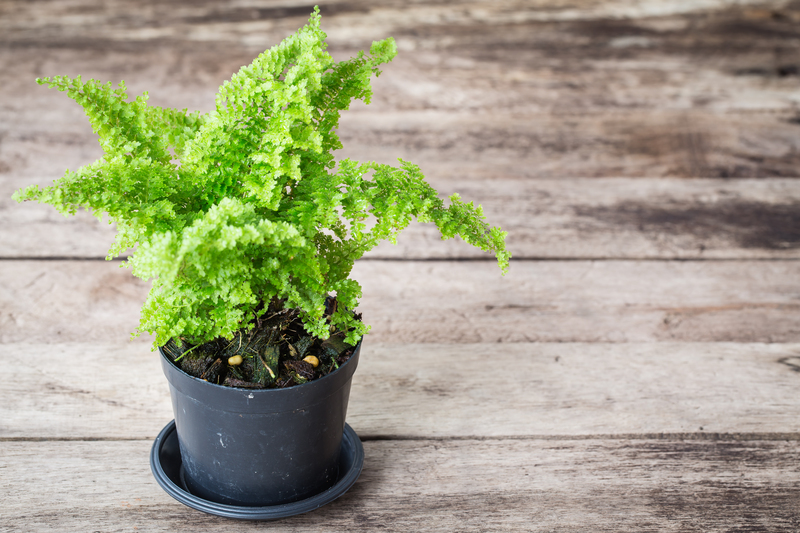

Cultivating Change: Understanding Gardening's Climate Impact
Gardening is often viewed as a peaceful, individual pursuit--a way to relax, beautify our environment, and produce fresh food. But what if this beloved hobby could also be a powerful tool in the fight against climate change? Increasingly, gardeners, scientists, and environmental advocates are discovering the profound connection between gardening and the planet's health. In this comprehensive guide, we'll delve deep into how gardening affects the climate, the role it can play in environmental stewardship, and practical tips every gardener can use to create positive change.
1. Gardening's Role in the Fight Against Climate Change
- Sequestering Carbon: Plants are natural carbon sinks, absorbing carbon dioxide from the atmosphere during photosynthesis and storing it in their roots, stems, and leaves.
- Supporting Biodiversity: Gardens offer refuge to pollinators, birds, and beneficial insects, supporting local ecosystems disrupted by urbanization.
- Reducing Food Miles: Home gardening slashes the distance that fresh produce must travel, curbing greenhouse gas emissions associated with transportation.
- Mitigating Urban Heat: Green spaces help to cool cities by shading surfaces and emitting water vapor, counteracting the heat island effect.
Through these mechanisms, cultivating change through gardening practices can have a tangible impact on climate resilience and adaptation.
2. The Science Behind Gardening's Climate Benefits
Why does gardening matter in the climate conversation? At the heart of the issue lies the carbon cycle. Every year, human activities such as deforestation, agriculture, and fossil fuel burning release gigatons of CO2 into the atmosphere. Gardening reverses some of this effect by:
- Converting carbon dioxide into plant biomass
- Enhancing soil organic matter, which stores more carbon long-term
- Decreasing the need for carbon-intensive agricultural practices
Research indicates that even small green spaces can have outsized effects. According to a 2019 study in the journal Nature Climate Change, urban gardens globally could offset the annual emissions of millions of cars if widely adopted.
3. Garden Practices That Amplify Climate Benefits
Not all gardening methods are created equal. The decisions gardeners make--from what they plant to how they manage the soil--can drastically influence a garden's carbon footprint and climate impact.
Soil Health and Carbon Sequestration
- No-Dig/No-Till Techniques: Disturbing soil releases stored carbon. Adopting a no-dig method keeps the carbon underground, fostering richer organic matter and soil structure.
- Composting: Recycling kitchen and yard waste into compost returns nutrients and builds carbon-rich soil, reducing the need for synthetic fertilizers (which are energy-intensive to produce).
- Mulching: A layer of organic mulch insulates soil, suppresses weeds, and slowly decomposes, further boosting soil carbon stores.
Smart Plant Choices
- Native Species: Native plants support local wildlife and require less water and fertilizer, minimizing emissions from garden maintenance.
- Perennials vs. Annuals: Perennials keep their roots in the ground year-round, absorbing more carbon and avoiding the need for yearly replanting.
- Edible Gardens: Growing food at home decreases reliance on store-bought produce, often shipped from far-flung regions.
Water Management
- Install rain gardens or rain barrels to capture and use stormwater, limiting runoff and conserving a vital resource.
- Drip irrigation systems deliver water directly to roots, reducing waste and energy use compared to overhead sprinklers.
- Mulching and shading help soils retain moisture, reducing supplemental irrigation needs.
4. Urban Gardening: Green Oases Against Urban Heat Islands
Cities are especially vulnerable to climate change, suffering from concentrated heat, air pollution, and water runoff. Urban gardens and green roofs offer a powerful antidote, cooling city air and providing habitat patches in densely built environments.
- Green Roofs: Covering rooftops with vegetation can lower surrounding air temperatures and reduce a building's energy costs.
- Community Gardens: These shared spaces bring people together, support local food security, and reduce the carbon footprint associated with food distribution.
- Vertical Gardens: Even small balconies or walls can be transformed into lush, climate-friendly growing spaces.
Did you know? According to the Environmental Protection Agency, urban greening projects can reduce surface temperatures by up to 5?F, helping cities adapt to extreme heatwaves increasingly driven by climate change.
5. The Climate Drawbacks of Conventional Gardening
While gardens can be a force for good, not all gardening is climate-friendly. Some conventional practices unintentionally harm the environment:
- Using synthetic fertilizers and pesticides: These products require fossil fuels to manufacture and can emit nitrous oxide, a potent greenhouse gas.
- Peat-based potting mixes: Extracting peat destroys ancient carbon sinks and releases stored CO2.
- Gas-powered lawn mowers and leaf blowers produce carbon emissions and pollute air.
- Inefficient irrigation contributes to water scarcity and increases energy consumption.
By recognizing these concerns, gardeners can consciously shift towards sustainable gardening practices that truly advance climate solutions.
6. How Home Gardens Contribute to Community Resilience
Beyond absorbing carbon, climate-smart home gardens offer many social and ecological benefits, such as:
- Improving Mental Health: Green spaces and gardening activities lower stress, anxiety, and depression.
- Enhancing Food Security: Local food production buffers communities from supply chain disruptions caused by climate events.
- Fostering Environmental Awareness: Tending a climate-friendly garden makes environmental stewardship tangible and actionable.
- Building Social Ties: Gardening can be a shared activity, strengthening neighborhood bonds as people collaborate to cultivate and sustain green spaces.
7. Actionable Steps: Making Your Garden Climate-Friendly
The movement to cultivate change isn't just for expert gardeners or those with large yards. Anyone, anywhere, can participate. Here are some practical tips to reduce your garden's carbon footprint and maximize its ecological impact:
- Compost everything you can--food scraps, grass clippings, leaves--to produce nutrient-rich soil amendments and keep organic waste out of methane-producing landfills.
- Reduce, reuse, recycle garden materials. Upcycle containers, use salvaged wood for beds, and repair tools rather than replacing them.
- Select climate-appropriate plants, focusing on natives or drought-tolerant varieties to minimize resource inputs.
- Ban peat-based products. Choose peat-free composts and potting mixes to avoid supporting peatland destruction.
- Opt for manual or electric tools. Avoid gasoline-powered machines whenever possible.
- Mulch generously to save water and increase soil carbon.
- Join or start a community garden to amplify collective climate action.
Even small changes--like planting a pollinator garden, growing a patch of vegetables, or adopting no-dig beds--can help tilt the scale toward a more sustainable, climate-resilient future.
8. The Collective Power of Gardeners to Influence Climate Policy
Gardeners aren't just passive observers--they are active agents of environmental change. By sharing knowledge, advocating for green infrastructure, and participating in local policy-making, gardening enthusiasts can help shape cities and towns to better withstand and mitigate climate impacts.
- Pushing for incentives and policies to encourage community gardens and urban agriculture
- Supporting education initiatives around climate-friendly gardening
- Collaborating with organizations to restore public green spaces and pollinator habitats
When gardeners unite, their impact extends far beyond their own backyard.
9. Case Studies: Inspiring Examples of Gardening's Climate Solutions
Around the globe, innovative projects highlight the impact of gardening for climate:
- Victory Gardens Reborn: During the COVID-19 pandemic, cities such as San Francisco and London revived the concept of wartime "victory gardens," empowering citizens to grow local food, reduce emissions, and build community resilience.
- Green Roof Initiatives in Germany: Cities like Stuttgart require green roofs on many new buildings, with proven reductions in urban temperatures and stormwater runoff.
- Habitat Gardens for Pollinators: In the U.S., groups like the Xerces Society promote pollinator-friendly gardening, supporting crop yields and biodiversity that climate change would otherwise imperil.
Conclusion: Planting the Seeds of a Sustainable Future
In the quest to address climate change, gardening's climate impact cannot be underestimated. Every patch of green, every compost bin, and every native flower counts. By embracing sustainable gardening practices and spreading awareness, individuals wield real power to cultivate change--right from their own backyards.
So, the next time you plant a seed, remember: Gardening's true harvest lies not just in flowers and food, but in climate action that benefits us all.
Ready to dig deeper? Start transforming your outdoor space into a climate-friendly oasis today--and join a global movement that's planting the seeds for a sustainable tomorrow.
```Latest Posts
Embrace Nature's Calm with Inspiring Zen Garden Ideas
Crafting Lush Soil from Everyday Organic Waste
Winter Plant Care: Protecting Your Garden from the Cold
Beat Weeds Easily: 3 Proven Strategies for a Pristine Garden

From a young age, Blair has cultivated a passion for order, which has now matured into a prosperous profession as a waste removal specialist. She derives satisfaction from transforming disorderly spaces into practical ones, aiding clients in conquering the burden of clutter.