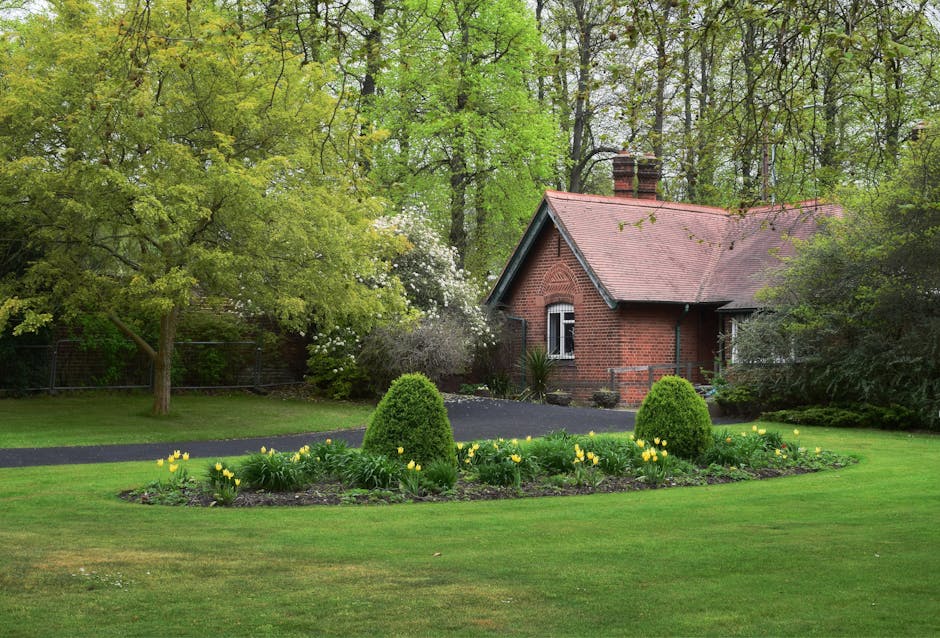
Best gardeners near Woodside Park station for quick turf work
If you need best gardeners near Woodside Park station for quick turf work, you probably do not want a long, drawn-out project. You want the lawn tidied, the patch repaired, the edges sharpened, and the garden looking respectable again without a week of back-and-forth. Fair enough. Near a busy station, timing matters. Space is often tight, access can be awkward, and people tend to want the job done before guests arrive, the weather turns, or the grass gets any worse.
This guide is written for exactly that situation. It explains what quick turf work usually involves, how to judge whether a gardener is genuinely ready to move fast, what good turf preparation looks like, and where the common mistakes creep in. You will also find a practical checklist, a comparison table, and a realistic example so you can decide with confidence.
In our experience, the best results come from gardeners who are calm, organised, and not trying to oversell everything. They know when a lawn needs a simple refresh and when it needs proper lawn care in Woodside Park N12 or broader gardening services. That difference matters a lot.
Table of Contents
- Why Best gardeners near Woodside Park station for quick turf work Matters
- How Best gardeners near Woodside Park station for quick turf work Works
- Key Benefits and Practical Advantages
- Who This Is For and When It Makes Sense
- Step-by-Step Guidance
- Expert Tips for Better Results
- Common Mistakes to Avoid
- Tools, Resources and Recommendations
- Law, Compliance, Standards, or Best Practice
- Options, Methods, or Comparison Table
- Case Study or Real-World Example
- Practical Checklist
- Conclusion
- Frequently Asked Questions
Why Best gardeners near Woodside Park station for quick turf work Matters
Quick turf work is not just about speed. It is about restoring a lawn so it looks presentable, drains properly, and can cope with day-to-day use. Around Woodside Park station, that tends to matter for a few very ordinary reasons: front gardens are visible to neighbours and passers-by, many homes have compact outdoor spaces, and people often want practical improvement without a major redesign.
There is also the timing side. A lot of turf jobs are requested because something has changed suddenly. Maybe the grass has become patchy after a wet spell. Maybe a path edge has broken down and the lawn is creeping over it. Or perhaps the garden has simply been ignored a little too long. Happens all the time, honestly. The value of a good local gardener is that they can turn up prepared, diagnose the issue quickly, and get straight to the part that improves the space fastest.
That is where quick turf work overlaps with broader maintenance. A skilled team may recommend a short burst of mowing, edging, patch repair, soil improvement, and aftercare rather than a full landscape overhaul. If your garden also has overgrown shrubs or awkward boundary lines, it may be sensible to fold in hedge trimming or even a little landscaping support so the lawn does not look good for only five minutes.
How Best gardeners near Woodside Park station for quick turf work Works
Fast turf work usually follows a simple pattern. First comes a quick assessment. A good gardener will look at the condition of the grass, soil compaction, drainage, weed pressure, shade, and whether the lawn is actually repairable in the short term. There is no point pretending a bare, waterlogged section can be magically fixed in an hour. The honest route is better.
After assessment, the gardener chooses the right method. For a tidy-up, that may mean mowing, strimming, edging, removing debris, and levelling small problem areas. For a more substantial refresh, it may include turf lifting, patching, topdressing, reseeding, or replacing sections of turf. Sometimes the quickest visible improvement is not the most glamorous one. It is the one that makes the lawn look cared for immediately.
Quick turf work also depends on access. If your rear garden is only reachable through the house, the gardener needs to plan tool movement, waste handling, and working order carefully. Near station properties, side access can be narrow, gates can be awkward, and parking may require some forethought. A local team familiar with the area will usually work faster because they already expect those small complications.
If the lawn has more than a superficial issue, a longer-term plan may help. That can sit alongside garden maintenance or even a more complete lawn mowing service if what you need first is a clean, consistent cut before any turf repair begins.
Key Benefits and Practical Advantages
When the right gardener handles turf work properly, the benefits show up quickly. Some are visual. Some are practical. And a few are the sort of thing you only notice later, when the lawn stops causing problems.
- Faster visual recovery: Clean edges, even cutting, and well-set turf make the garden look better almost immediately.
- Better rooting: Correct preparation helps fresh turf or patched areas establish more reliably.
- Less waste: A competent gardener knows when to rescue a lawn section rather than replace the whole thing.
- Lower stress: You are not chasing multiple trades for a small outdoor job.
- More useful garden space: A tidy lawn is easier to walk on, use with children, or keep dog-friendly.
There is another benefit people overlook: confidence. Once the lawn looks right, the whole garden feels more manageable. You stop seeing a problem every time you open the back door. That alone is worth something.
For gardens that need more than turf attention, a good local gardener may suggest a tidy reset around the rest of the space too. For example, worn edges can be improved alongside patio cleaning or finishing work around decking services. It is often the combination that lifts the whole scene, not the grass alone.
Who This Is For and When It Makes Sense
This kind of service suits people who need visible improvement without a big project. If you are preparing a property for viewings, want a presentable garden before a family event, or just need a lawn fixed before it gets worse, quick turf work is a sensible option.
It also makes sense if you have been keeping up with the garden generally, but the lawn has gone off the rails. You know the type: a few rough patches after a long winter, some weeds, a corner that holds water, and edges that have blurred into the border. Not catastrophic. Just annoying. And let's face it, annoying outdoor jobs are the ones that linger.
It is especially useful for:
- homeowners with small to medium gardens near the station
- landlords needing quick kerb appeal before tenants move in
- busy families who want a safer, cleaner lawn surface
- older residents who want practical help rather than a full redesign
- anyone who wants the garden neatened before a specific date
If your lawn problem is paired with persistent weeds or weak growth, it may be smarter to combine turf work with longer-term lawn care. Quick fixes are useful, but the best gardeners know when speed should be paired with follow-through.
Step-by-Step Guidance
Here is the cleanest way to approach a quick turf job near Woodside Park station.
- Describe the problem clearly. Say whether the issue is patchiness, weeds, poor mowing, bare soil, uneven ground, or recent damage.
- Share access details. Mention side access, parking restrictions, locked gates, steps, or anything awkward.
- Ask what can be completed the same day. Good gardeners will tell you honestly whether the work is a tidy-up, a partial repair, or a longer job.
- Request the method, not just the price. You want to know how they will treat the turf, what materials may be needed, and whether aftercare is included.
- Prepare the site. Remove garden furniture, toys, hoses, pet items, and anything fragile. It saves time. Quite a lot of time, usually.
- Confirm the finish standard. Ask what "done" looks like. Even cut? Edges trimmed? Debris removed? Bare patches filled?
- Plan the first few days after the job. Fresh turf or reseeded areas should not be treated like a football pitch.
A short job can go wrong if the setup is unclear. In practice, the fastest gardener is often the one who asks the best questions before starting.
Expert Tips for Better Results
Here are the little things that make quick turf work turn out better than average.
- Do not rush turf onto bad soil. If the base is compacted or dry as dust, the new grass will struggle.
- Match the cut to the season. Cutting too low can stress the lawn, especially in dry or chilly weather.
- Deal with edges first. Clean edges make even a modest lawn look much sharper.
- Remove obvious causes of decline. If shade, poor drainage, or moss is the real issue, mention it early.
- Use patch repair where possible. Small damaged areas are often better fixed locally than replaced wholesale.
One small but useful habit: stand at the back door before and after the work. Not in a dramatic way, just a quick look. You will notice straight away whether the space feels balanced. That first impression is often more accurate than you expect.
For gardens with visible boundaries or climbing growth, it can also help to combine turf work with related care. A quick tidy around shrubs, climbers, or boundary plants can prevent the lawn from looking like the only thing that got attention. If that sounds familiar, the ideas in pristine hedge trimming techniques and weed control strategies are worth reading alongside this guide.
Common Mistakes to Avoid
Some turf jobs become more expensive or less effective because the basics were skipped. The most common mistakes are surprisingly ordinary.
- Choosing speed over competence: Fast is good only if the workmanship still holds up.
- Ignoring drainage: Turf laid over a soggy patch may look fine for a week and then fail.
- Overwatering after the job: More water is not always better. It depends on the turf and the conditions.
- Cutting too soon: New turf needs time to settle before it is mown again.
- Expecting one visit to fix every problem: Some lawns need staged improvement.
- Forgetting about shade: A patch that sits under a fence or tree may need a different approach.
Another mistake is not asking what happens after the work. If the gardener lays fresh turf, trims edges, or fills a bare patch, there should be a simple aftercare plan. Otherwise you are left guessing, and guessing is rarely the fun part.
Tools, Resources and Recommendations
A gardener doing quick turf work will usually bring a set of straightforward tools rather than anything exotic. That is a good sign. Turf jobs are often won by basic kit used well.
Typical tools and materials may include:
- lawn mower or strimmer for clearing and shaping
- edging tools for sharp borders
- rake for clearing debris and levelling
- spade or turf cutter for removing damaged sections
- topsoil or compost for patch repair
- fresh turf or seed, depending on the method
- watering can or hose for establishment
For homeowners, the best resources are often simple ones: a rough sketch of the garden, photos of the problem area, and a clear explanation of what outcome you want. You do not need to become a turf technician overnight. Just be clear. That helps more than people think.
If you are building a broader maintenance plan, these pages may also help you choose the right follow-on support: routine garden maintenance, general gardening support, and landscaping work when the lawn is only one part of the picture.
Law, Compliance, Standards, or Best Practice
For most turf jobs, there is no dramatic legal layer to worry about, but there are still sensible standards to follow. In the UK, reputable gardeners are expected to work safely, manage waste responsibly, and avoid damaging neighbouring property. If work involves heavy machinery, sharp tools, or access through shared spaces, professionalism matters a lot.
Best practice usually means:
- working with proper care around walls, paths, fences, and planting
- keeping noise and disruption reasonable for the location and time of day
- removing or disposing of green waste appropriately
- using plant material and soil suitable for the job
- giving clear aftercare advice where fresh turf or seed has been installed
If the work involves tree roots, large pruning, or boundary structures, additional caution is sensible. Turf often fails because of hidden issues nearby, not because the grass itself is difficult. A good gardener will flag those problems instead of glossing over them. That honesty is worth keeping.
And just to be clear, if anyone promises instant perfection on a badly shaded, compacted, waterlogged lawn, maybe raise an eyebrow. A sensible eyebrow. Not a dramatic one.
Options, Methods, or Comparison Table
Not every quick turf job uses the same method. The right option depends on how damaged the lawn is and how quickly you need visible improvement.
| Method | Best for | Speed | Typical outcome |
|---|---|---|---|
| Mowing and edging | Overgrown but healthy lawns | Very fast | Immediate visual tidy-up |
| Patch repair | Small bare or damaged areas | Fast to moderate | Improved appearance and practical recovery |
| Fresh turf laying | Sections beyond simple repair | Moderate | More uniform finish, better curb appeal |
| Full lawn renovation | Lawns with widespread decline | Slower | Best long-term reset, but not a same-day fix |
If you are mostly after speed, mowing and edging usually give the quickest transformation. If the lawn is thin or uneven in a few places, patching may be the sweet spot. Full renovation is better when the surface is genuinely tired, but it is not really a "quick turf work" job in the usual sense.
Case Study or Real-World Example
A typical local scenario goes like this. A homeowner near Woodside Park station has a back lawn that looks tired after winter. One side is thin because the area gets afternoon shade, and the path edge has broken down into the grass. They do not want a full redesign. They just want the garden looking respectable for a small weekend gathering.
The gardener arrives, checks the access, removes debris, redefines the edge, cuts the lawn at a safe height, and patches the worst section rather than replacing the whole thing. A small amount of topsoil is added where the turf has thinned. The result is not a show garden. It does not need to be. It is neat, balanced, and obviously cared for.
What made the difference? Not magic. Just the right sequence, realistic expectations, and a gardener who understood which parts of the job would produce the biggest visible improvement first. That is the kind of thinking you want when time matters.
In some cases the same homeowner later books a few extra jobs, like boundary fencing or patio cleaning, once the main lawn issue is under control. That staged approach is often the least stressful way to do it.
Practical Checklist
Use this quick checklist before booking or starting turf work near Woodside Park station.
- Explain the lawn problem in plain terms
- Share photos if possible
- Confirm access and parking details
- Ask whether the job is a tidy-up, patch repair, or full turf replacement
- Check whether debris removal is included
- Ask what aftercare is needed for the first week
- Remove toys, furniture, hoses, and garden clutter
- Make sure pets and children are kept away during the work
- Confirm when the lawn can be walked on again
- Keep the gardener's advice simple and follow it closely
Expert summary: The best quick turf work is usually the work that looks simple from the outside but has been carefully thought through underneath. Good soil prep, clean edges, realistic timing, and clear aftercare beat rushed shortcuts nearly every time.
If you want a garden that feels easier to live with, not just prettier for one afternoon, that mindset pays off. And yes, it can still be fast. Just not sloppy-fast.
Conclusion
Finding the best gardeners near Woodside Park station for quick turf work is really about balancing speed, workmanship, and honest advice. The right gardener will not simply rush in with a mower and hope for the best. They will look at access, soil, shade, drainage, and the true condition of the lawn, then choose the quickest method that still gives a lasting result.
If your garden needs a fast reset, start with the visible basics: tidy the edges, remove the mess, and deal with the part that is making the whole space look tired. Then decide whether you need a small turf repair, regular mowing, or a broader round of care. That way, the work does not just look better for today. It feels easier to maintain next week too.
Get a free quote today and see how much you can save.
And if you are standing at the back door wondering whether the lawn can be brought back quickly, the answer is often yes, with the right hands on the job. A small change can still make the whole garden breathe again.
Frequently Asked Questions
What counts as quick turf work?
Quick turf work usually means lawn jobs that improve appearance and usability without a full garden redesign. That can include mowing, edging, patch repair, fresh turf in small areas, and basic levelling.
How fast can a gardener near Woodside Park station usually start?
That depends on availability, the size of the job, and whether materials are needed. Simple tidy-up work is often easier to schedule quickly than turf replacement or larger repair jobs.
Is patching better than replacing the whole lawn?
For small damaged areas, patching is often the most sensible option. If the lawn is thin across most of the garden, replacement or a bigger renovation may be more effective in the long run.
What should I tell a gardener before they visit?
Describe the problem clearly, mention access issues, and share photos if you can. The more useful the briefing, the faster the gardener can decide on the right method.
Will quick turf work fix weeds too?
Not always. Some weed problems need separate treatment or a longer-term care plan. If weeds are a big issue, ask whether lawn care or maintenance is needed alongside the turf work.
Can turf work be done in a small garden?
Yes, and small gardens often benefit most because the visual change is immediate. A compact space near the station can look dramatically better after a targeted tidy-up.
Do I need to water new turf straight away?
Usually, yes, but the amount and timing depend on weather and the method used. A good gardener should give clear aftercare instructions for the first few days.
How do I know if I need lawn mowing or lawn care?
If the grass is simply overgrown, mowing may be enough. If it is weak, patchy, weedy, or uneven, a broader lawn care approach is usually better.
Can turf work be combined with other garden jobs?
Absolutely. Many people combine it with hedge trimming, patio cleaning, decking work, or general maintenance so the whole garden looks coordinated rather than half-done.
What makes a local gardener better for a station-area property?
Local gardeners are often more familiar with access limitations, parking quirks, and the kind of smaller gardens common near transport hubs. That can make the job smoother and quicker.
Should I choose the cheapest quote?
Not by default. A very low quote can mean a rushed job, incomplete preparation, or poor aftercare. It is better to compare the method, the finish standard, and what is included.
What if my lawn is shaded or drains badly?
Then the gardener may need to recommend a different turf type, a repair approach, or a longer-term fix. A good professional will explain the limitation rather than pretending the problem does not exist.
How often should a repaired lawn be checked?
In the first couple of weeks, it is wise to monitor it closely for drying out, lifting, or uneven growth. After that, normal maintenance can take over if the repair has settled well.